RV Pads · Concrete Tooele
Concrete RV Pads in Tooele, UT
Pads for campers, boats, trailers and toys, thick enough for the weight. Call for a free quote.
Tooele, Erda, Stansbury Park, Lake Point, Stockton and 31 more towns
Free Pad Quote
List what you want poured, the rough size and the load, plus how far it is from the road. The contractor returns your call to go over it.
- Free quotes
- Sized for the load
- Footings below frost
- Homes, shops, commercial
Rough numbers are fine. Quotes are free.
RV & Trailer Pads
Concrete RV Pad in Tooele, UT
An RV or trailer pad looks like a plain slab, but it carries a lot more than a driveway does. A loaded camper or fifth wheel puts heavy weight on a few tires and a jack foot, and it may sit in one spot all winter. Boats, horse trailers, utility trailers and toy haulers do the same. A pad poured like a sidewalk will crack under that. Typically the starting point is 5 to 6 inches of concrete or more, depending on the weight, over a deeper compacted gravel base, with rebar on chairs and thickened edges where tires roll on.
Size and approach matter as much as thickness. Measure the longest rig you own or plan to own, then add room to open slide-outs and walk around it. Width should let you back in without dropping a tire off the edge, which chips slabs quickly. The approach from the driveway or road needs a gentle transition so a long trailer does not drag its hitch or tail. And the pad should slope slightly so rain and snowmelt run off rather than sitting under the tires, where ice builds up and freeze-thaw works at the surface all winter.
What's included
What goes into RV and trailer pads
- 01
Sized for the rig
Length and width for your longest trailer, with room for slide-outs and walking around.
- 02
Deeper base
More compacted gravel under the pad to spread heavy point loads from tires and jacks.
- 03
Thick, reinforced slab
Typically 5 to 6 inches or more of air-entrained concrete with rebar on chairs.
- 04
Thickened edges
Extra depth along the sides where tires roll on and off.
- 05
Easy approach
A smooth transition from driveway or gravel so long rigs do not drag or bottom out.
- 06
Drainage
A slight slope so water runs off instead of freezing under the tires.
Examples
RV & Trailer Pads: examples of the work
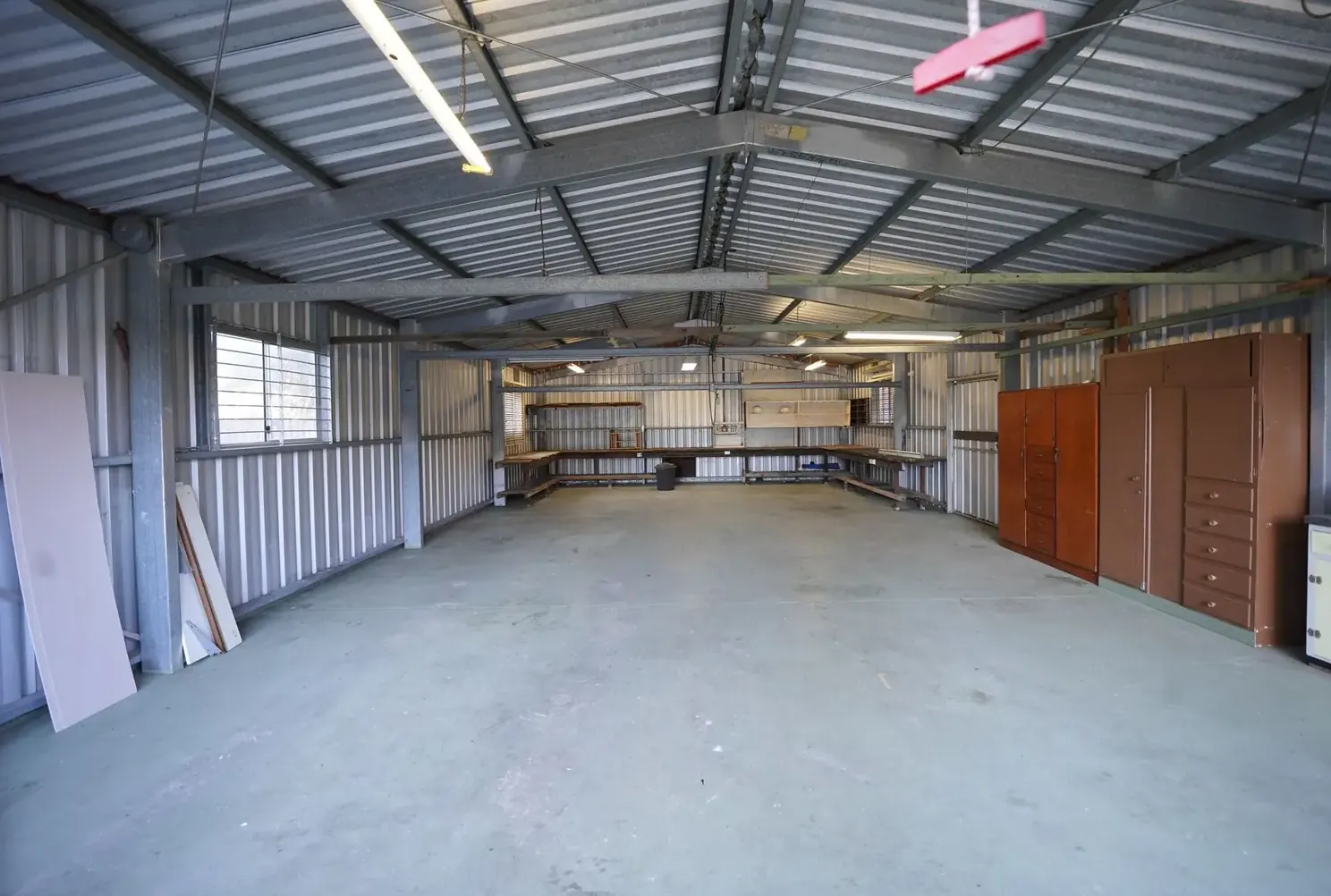
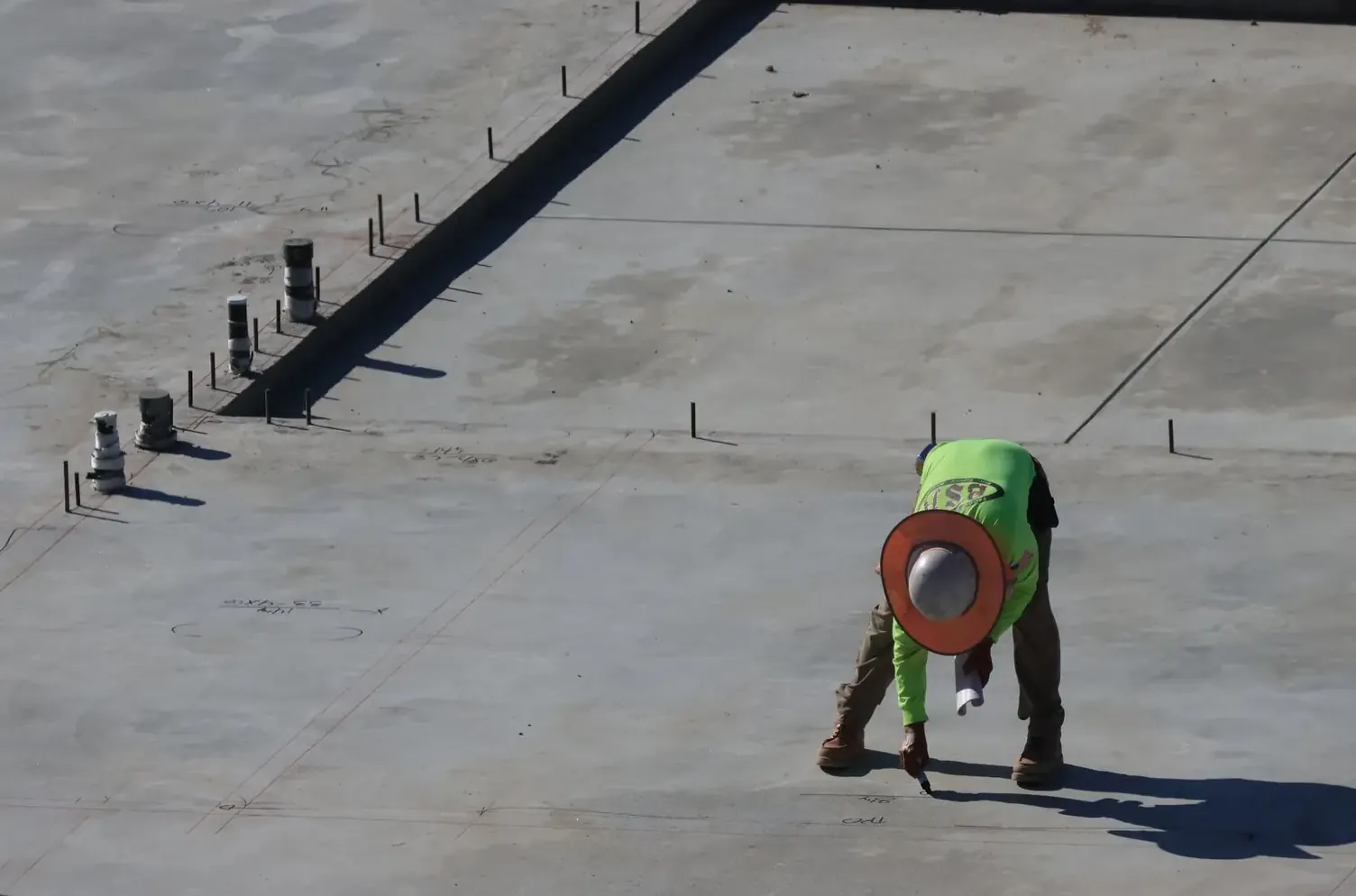
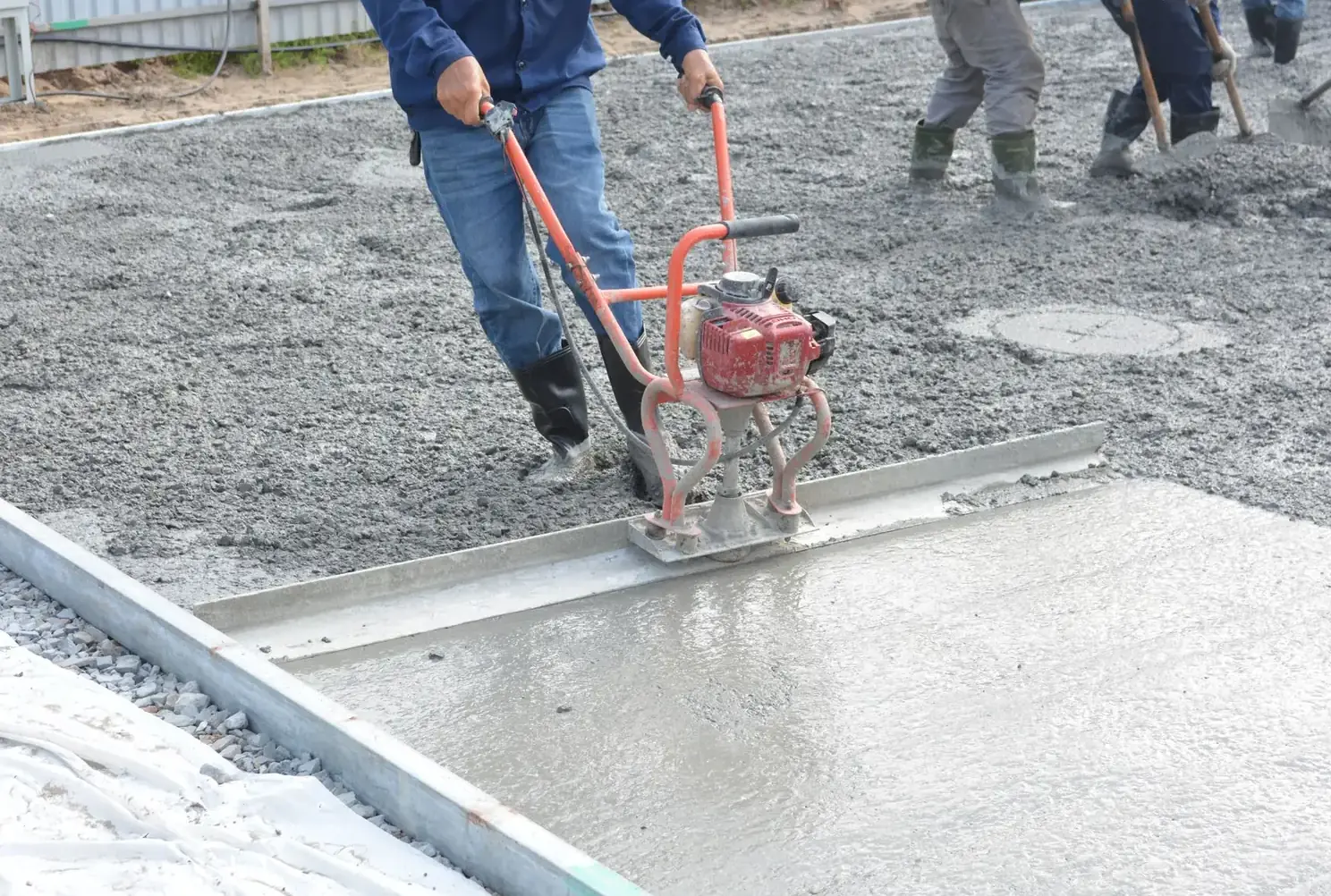
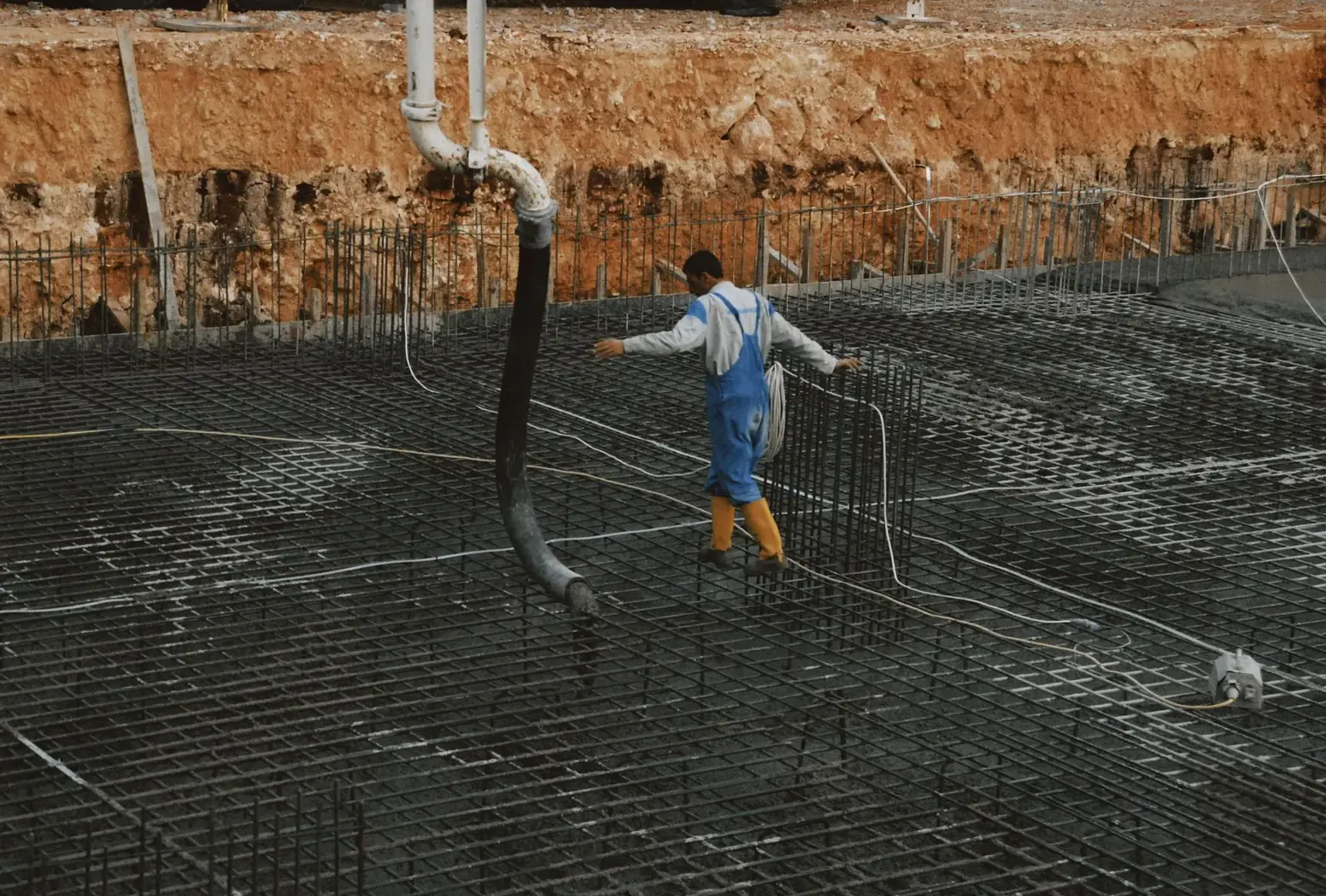
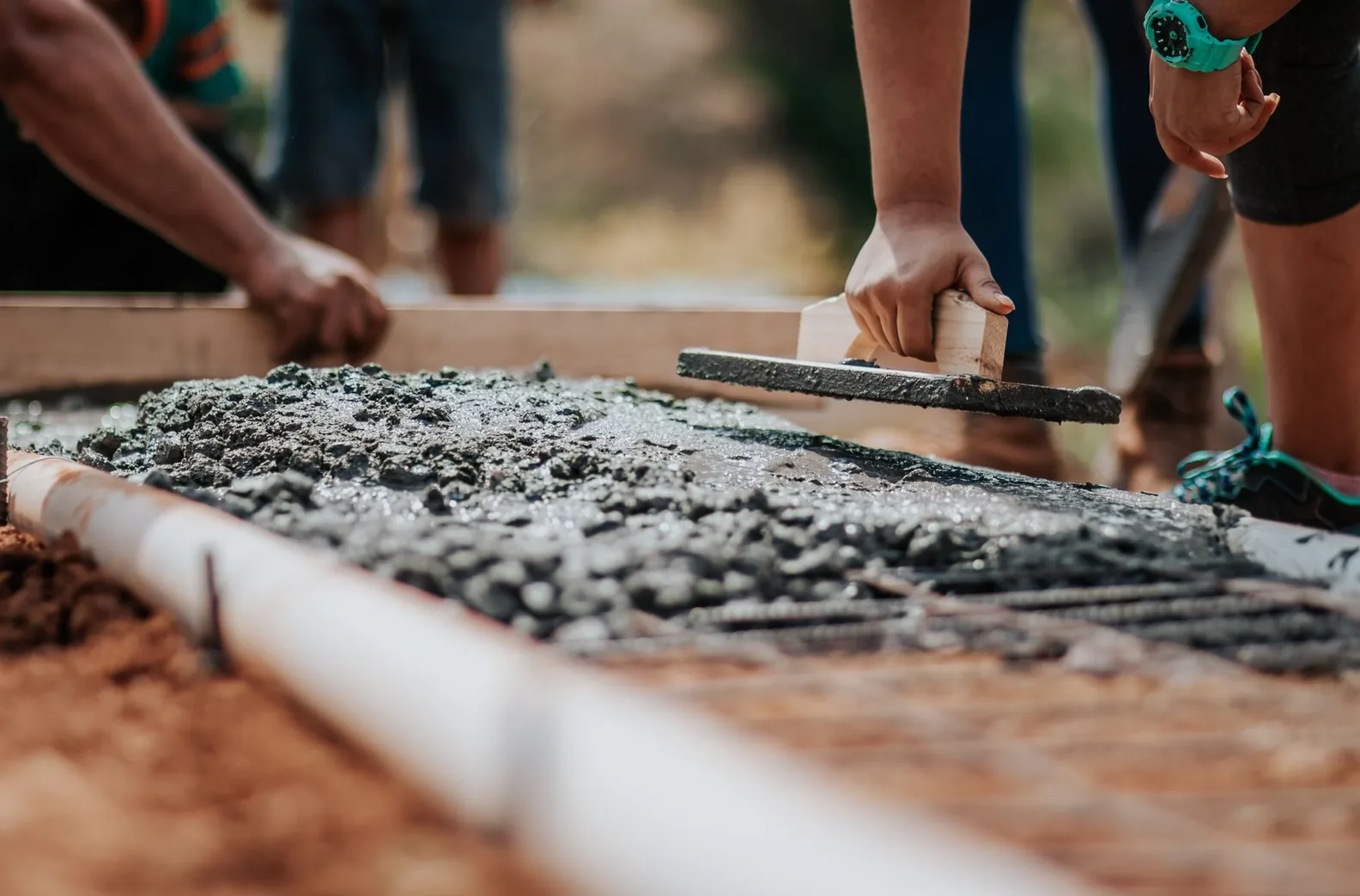
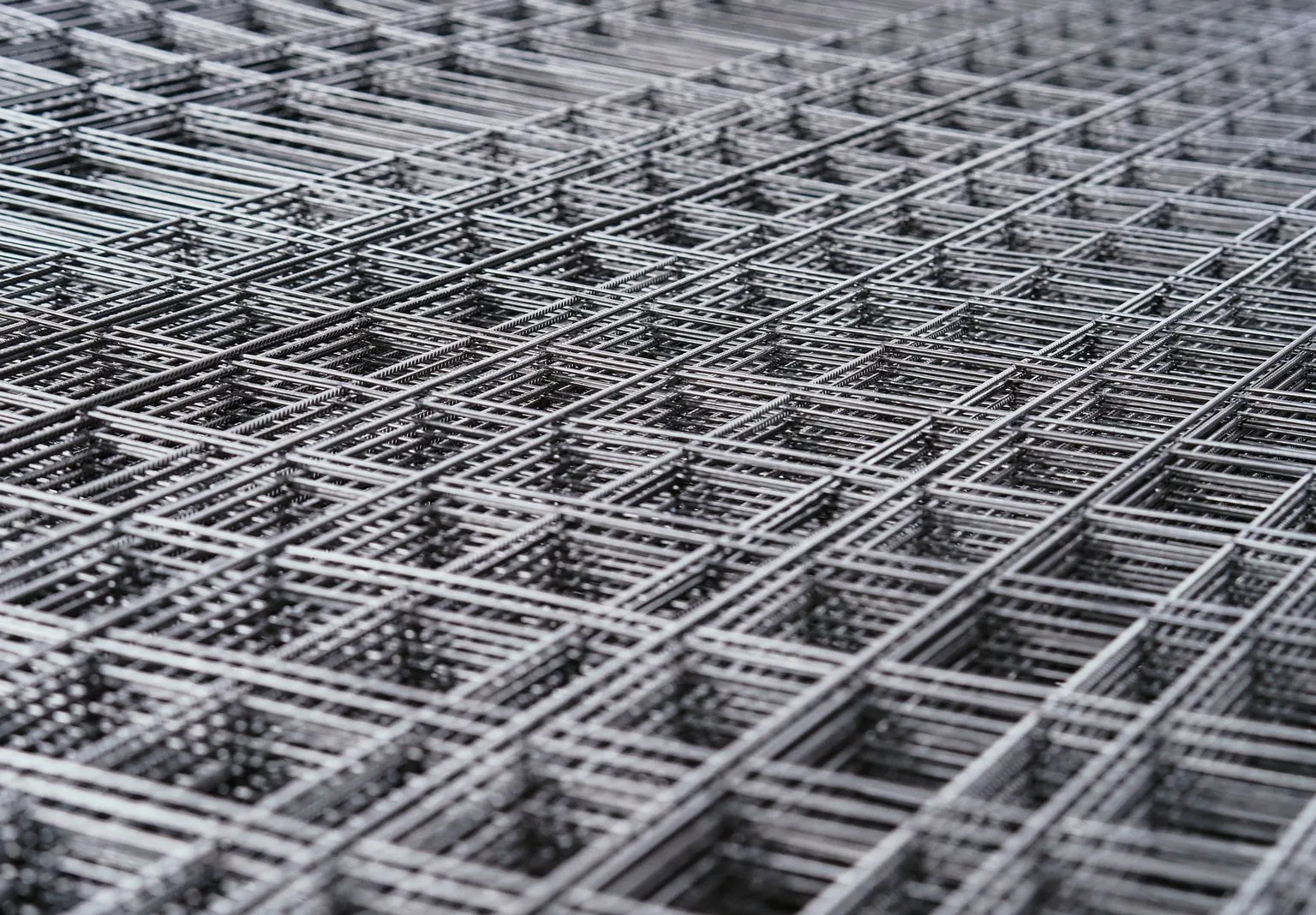
Stock photos: examples of the work type.
How it works
RV & Trailer Pads, step by step
- 1
Measure the rig
Length, width, slide-outs, approach angle and where the pad ties into the driveway.
- 2
Dig and base
Lines are marked, the area is dug out, and the deeper base is placed and compacted.
- 3
Steel and pour
Forms and rebar are set, then concrete is placed, broom finished and jointed.
- 4
Wait for strength
Cars can use it in about a week, but heavy rigs should wait closer to a month.
Questions
RV & Trailer Pads questions
Will an RV pad crack if the camper sits on it all winter?
Not if it is built for the weight. Long, heavy loads parked in one spot, plus freeze-thaw underneath, are hard on thin slabs. A thicker slab, a deeper base, good steel and a pad that drains are what keep it flat and whole.
What makes an RV pad cost more or less?
Size and thickness first, since a big pad at 6 inches is a lot of concrete. Then the depth of the base, any grading to get a level spot, the approach, and access for the trucks. The free quote lays it out.
Do I need permission to add an RV pad?
A pad on your own land often needs no building permit, but a new approach onto a public road may, and HOA rules in some subdivisions limit RV parking or where it can go. Check those first. Lines get marked through 811 before digging.
How big should an RV pad be?
Take your longest rig, add several feet at each end, and plan a few feet of extra width on each side for slide-outs and walking. If you might buy something bigger, pour for that. Extending a pad later can be done, but it is never as clean as pouring it once.
Can a pad tie into my existing driveway?
Yes. The new pad is doweled to the existing slab with steel so the two stay level, and the joint between them is sealed. If the existing driveway is thin or cracked where the RV crosses it, that stretch may need replacing too, since the rig still has to drive over it.
Concrete work
More from Concrete Tooele
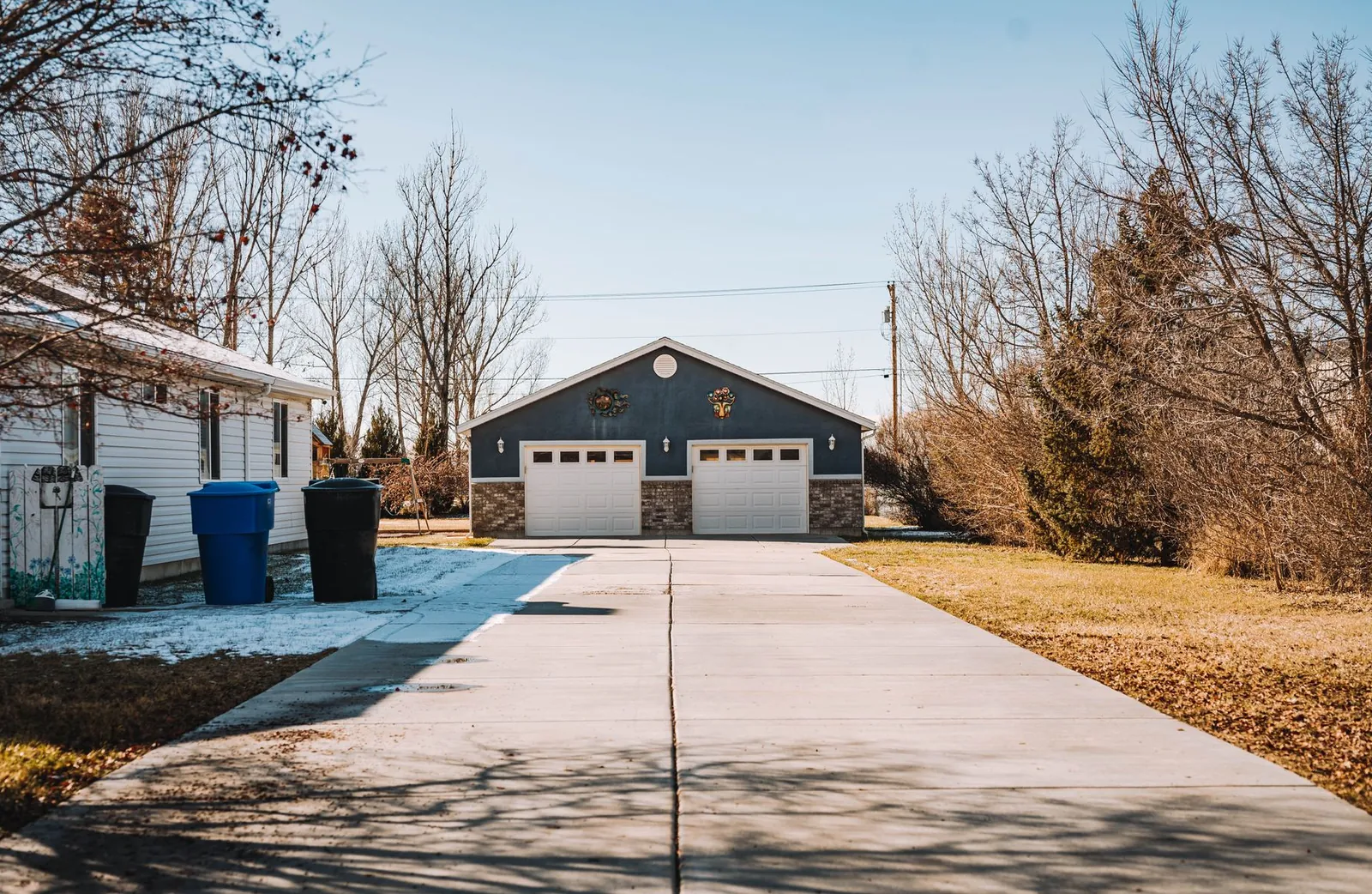
Driveways
Long driveways, turnarounds and replacements, thickened where trucks and trailers roll.
More on driveways
Shop & Garage Slabs
Slabs and footings for detached garages and shops, poured flat and smooth for lifts, benches and equipment.
More on shop & garage slabs
Retaining Walls
Block and poured walls that hold back slopes, carve out level pads and keep driveways from washing out.
More on retaining walls
Service area
RV & Trailer Pads in these towns
We quote rv & trailer pads in Tooele and these towns:
Tooele County
Salt Lake County
Free quotes on rv & trailer pads
The size, the load and the distance from the road are enough to start a free quote.